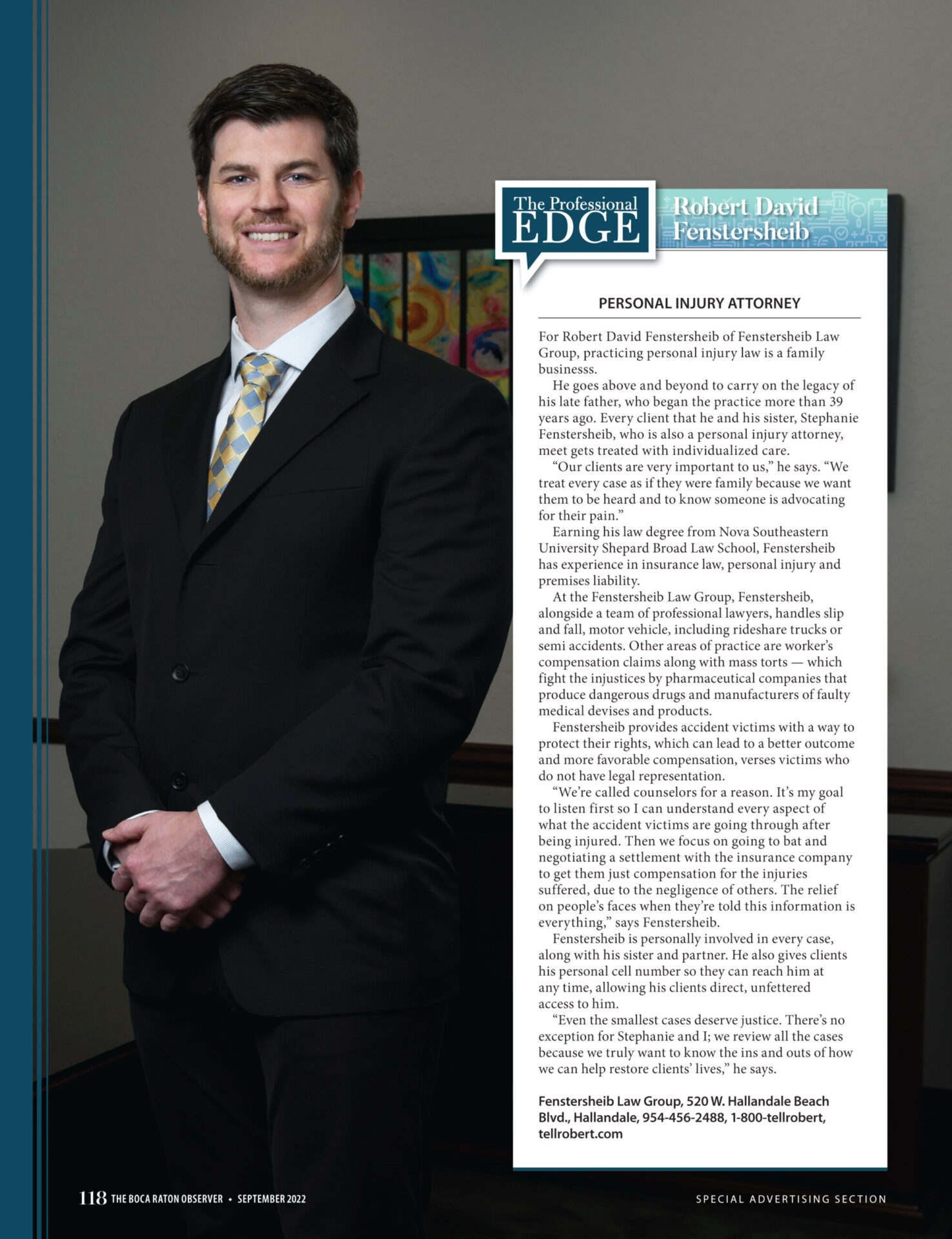

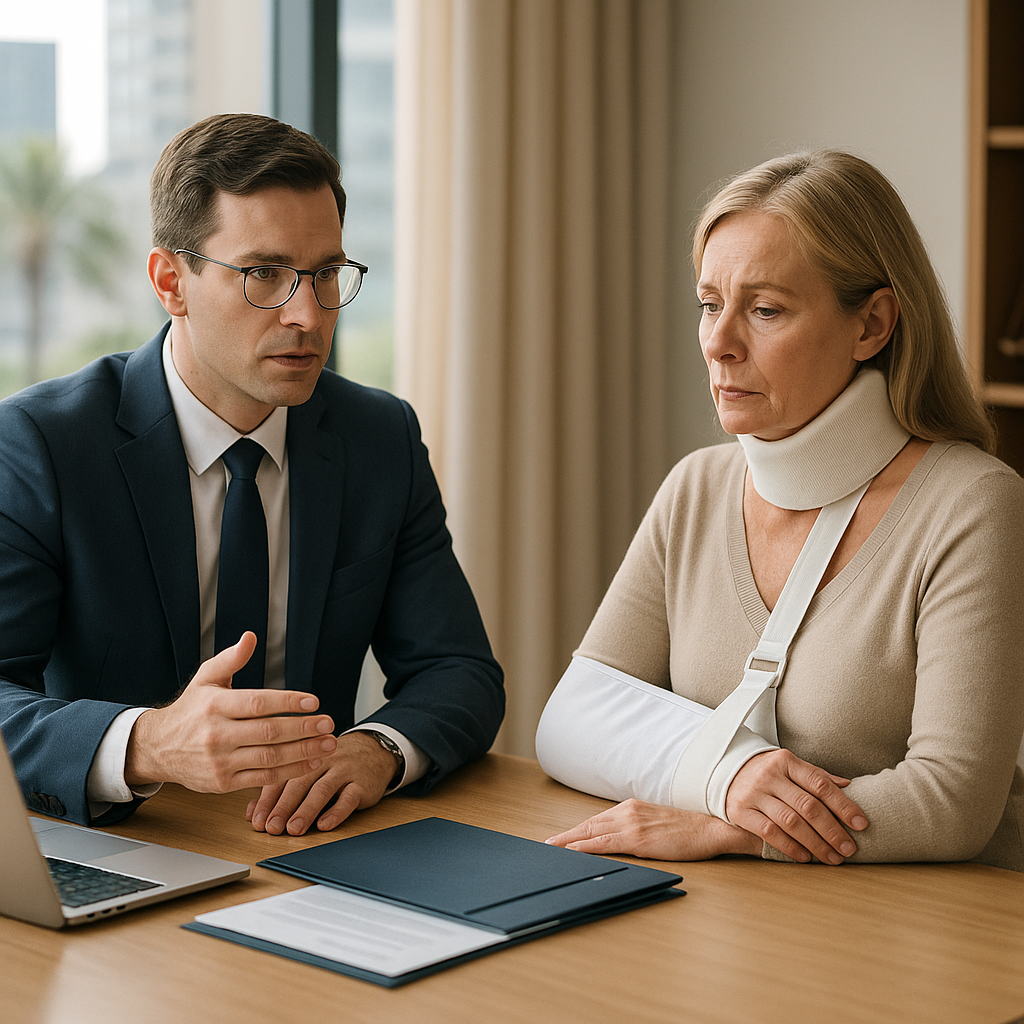
How to Handle a Low Settlement Offer in Boca Raton If you've been involved in an accident or suffered an injury in Boca Raton, you may find yourself facing the daunting task of negotiating a settlement with an insurance company. It’s not uncommon for initial offers to be disappointingly low, leaving many victims feeling frustrated and unsure of how to proceed. At Fenstersheib Law Group, we understand the complexities of personal injury claims and are here to guide you through the process of handling a low settlement offer effectively. Understanding the Settlement Process A settlement is an agreement between you and the at-fault party (or their insurance company) to resolve your claim without going to court. While it can be tempting to accept an initial offer, these offers often fall short of covering your total expenses. Here’s how to navigate the situation: Step 1: Don’t Accept the First Offer Understand the Offer: The first step is to carefully review the settlement offer. It may seem appealing, but often it doesn't reflect the full extent of your injuries and damages. Know Your Worth: Consider the medical…Read More
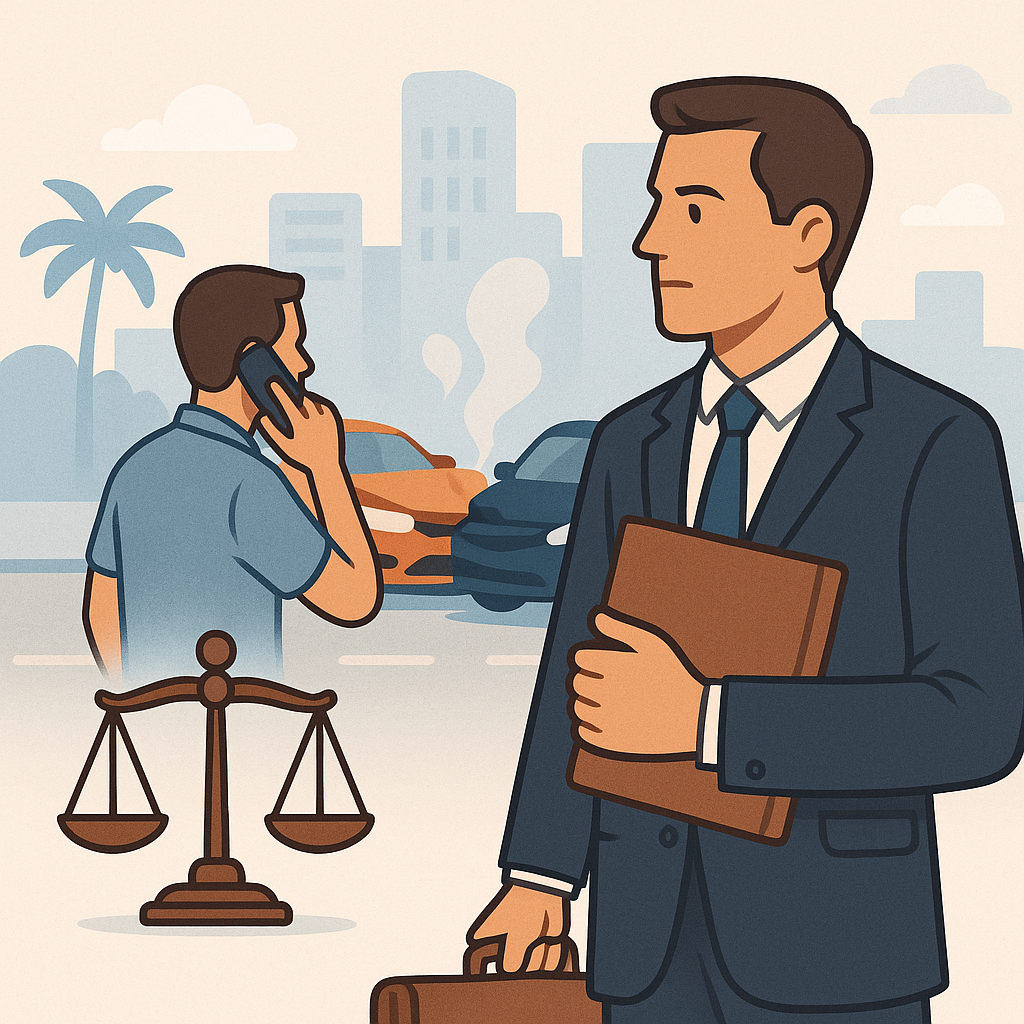
Should I Talk to the At-Fault Insurer After a North Miami Beach Accident? Accidents can happen in the blink of an eye, leaving those involved in a whirlwind of confusion and stress. If you find yourself in this situation in North Miami Beach, one of the most pressing questions you may have is whether to talk to the at-fault insurer. Understanding how to navigate these waters is crucial for protecting your rights and ensuring you receive the compensation you deserve. Understanding the Role of Insurance Companies Insurance companies exist to manage risk and settle claims. However, their primary goal is to minimize payouts. Here's what you should know: At-Fault Insurer: This is the insurance company of the driver who caused the accident. Your Rights: As a victim, you have the right to compensation for injuries, damages, and losses. Claims Process: The at-fault insurer will investigate the accident and determine liability. Should You Talk to the At-Fault Insurer? While you might feel inclined to speak with the at-fault insurer, it’s essential to approach the situation with caution. Here are some considerations: Pros of Speaking with the…Read More
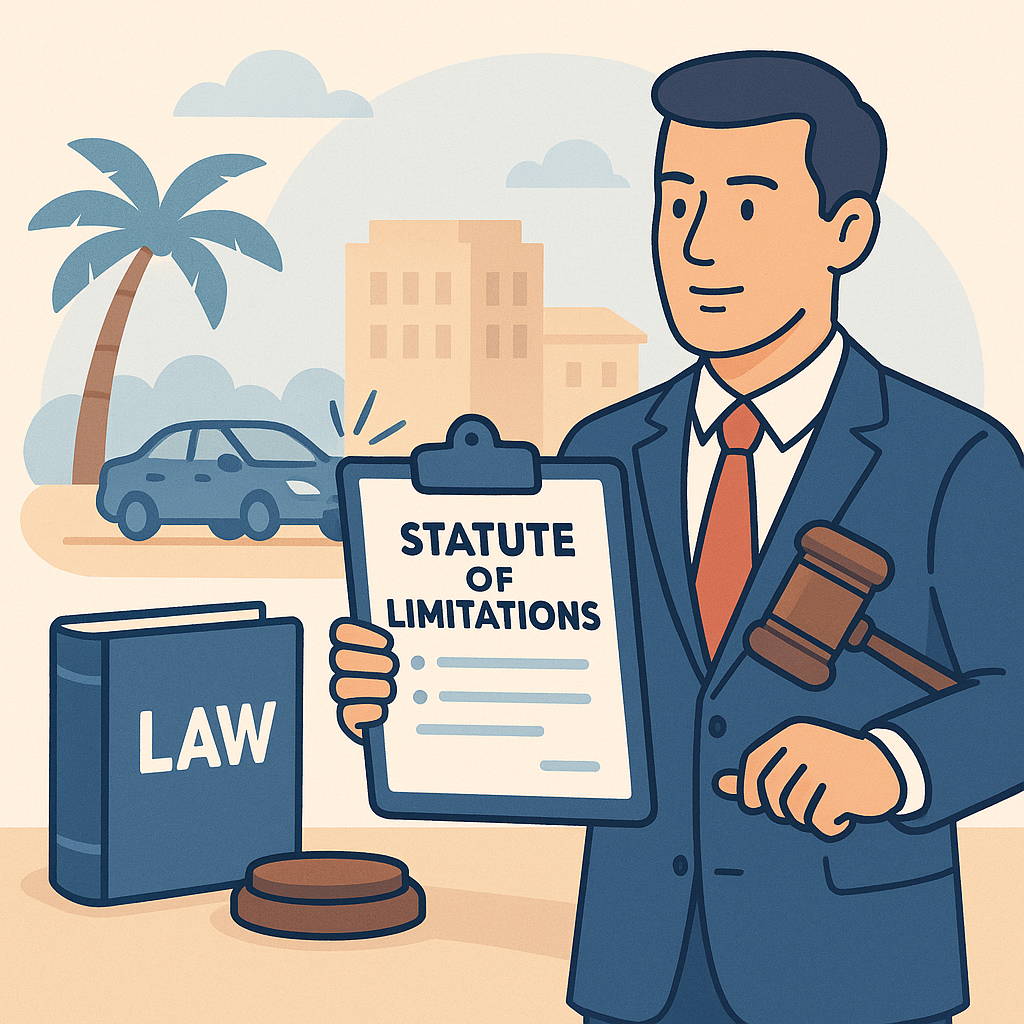
Florida’s Statute of Limitations for Accidents in Palm Beach Gardens Accidents can happen in the blink of an eye, leaving victims grappling with physical injuries, emotional stress, and financial burdens. In Palm Beach Gardens, understanding the statute of limitations is crucial for anyone who has been injured due to someone else's negligence. This law dictates the time frame within which you can file a personal injury claim, and missing this deadline can jeopardize your right to seek compensation. At Fenstersheib Law Group, we’re committed to helping you navigate these complexities and ensuring you know your rights. What is the Statute of Limitations? The statute of limitations is a law that sets the maximum time one can wait before filing a lawsuit. In Florida, the statute varies depending on the type of case: Personal Injury Cases: 4 years from the date of the accident. Wrongful Death Cases: 2 years from the date of death. Property Damage Cases: 4 years from the date of damage. Why is This Important? Understanding these time limits is vital because once the deadline passes, you lose your right to claim compensation…Read More
https://youtu.be/88NeSD8_6N4 In the attached video, Stephanie Fenstersheib of Fenstersheib Law Group explains exactly what kind of evidence can make or break your big rig truck accident case. These crashes are not like typical car accidents — they involve complex investigations, multiple parties, and powerful trucking companies backed by aggressive insurers. Knowing what evidence to collect and how to preserve it can be the key to securing full compensation for your injuries and losses. Immediately after a truck accident, evidence at the scene is vital. Take clear photos of the vehicles, property damage, skid marks, road conditions, and any visible injuries. If there’s disagreement about how the crash happened, your photos could become the most persuasive proof in your favor. Be sure to speak to the police and make sure your version of events is accurately recorded in the official report. Next, seek medical attention right away — even for minor aches or pains. Insurance companies often argue that injuries not documented from day one are unrelated to the crash. Keep detailed records of your doctor visits, prescribed treatments, and any ongoing symptoms. Additionally, document lost…Read More
Your browser does not support the video tag. FLG’s 7th Annual Thanksgiving Turkey Giveaway – event recap video. FLG’s 7th Annual Thanksgiving Turkey Giveaway Was a Great Success! December 1, 2025 | Community Involvement Fenstersheib Law Group once again came together with community partners to make Thanksgiving a little brighter for local families in need. At this year’s 7th Annual Thanksgiving Turkey Giveaway, FLG helped provide 200 turkeys to deserving families so they could enjoy a warm holiday meal. This year’s event was made possible through the ongoing support and partnership of PAL (Hallandale Police Athletic League) and Lanier-James Education Center. Working together, the organizations helped identify families who could benefit from a Thanksgiving meal and ensured the turkeys were distributed quickly, safely, and with dignity. Attorney Stephanie Fenstersheib said, “This is one of the ways we give back and support our community.” Supporting Local Families for the Holidays For many households, the cost of a full Thanksgiving dinner can be out of reach. By donating 200 turkeys, Fenstersheib Law Group and its partners helped ease that burden and gave families a chance to gather,…Read More
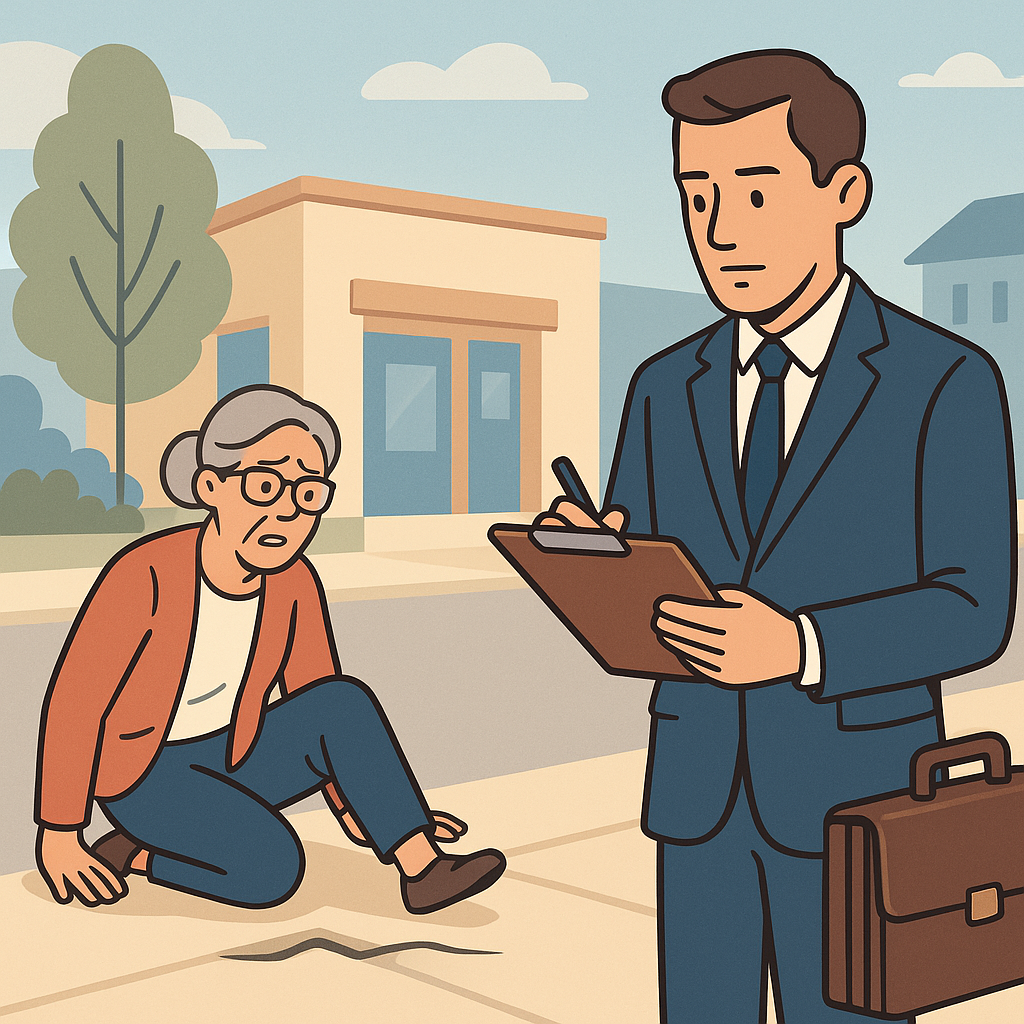
How Fast Must I Report a Margate Trip-and-Fall? Experiencing a trip-and-fall accident can be both physically and emotionally distressing. If you find yourself in this unfortunate situation in Margate, Florida, it’s crucial to act quickly. Reporting the incident promptly not only helps with your recovery but also strengthens any potential legal claims you may have. In this guide, we will walk you through the steps to take after a trip-and-fall, highlighting the importance of timely reporting and what evidence to collect. Understanding the Importance of Timely Reporting When it comes to personal injury claims in Florida, timing is everything. Here’s why you should report your trip-and-fall as soon as possible: Preservation of Evidence: The sooner you report the incident, the more likely you are to preserve crucial evidence that can support your case. Documenting Injuries: Immediate reporting helps create an official record of your injuries, which is vital for any medical treatment and potential claims. Legal Deadlines: Florida has specific statutes of limitations for personal injury claims, so delaying your report could jeopardize your ability to seek compensation. Steps to Take After a Trip-and-Fall Accident…Read More
https://youtu.be/I1k0lalu3Xo In the attached video, David Fenstersheib of Fenstersheib Law Group explains how Florida’s no-fault insurance law — also known as Personal Injury Protection (PIP) — applies when a commercial truck is involved in a crash. While the short answer is yes, the details are more complex than many people realize, especially when serious injuries and multiple insurance policies are involved. Under Florida’s no-fault system, your PIP coverage pays for your initial medical bills up to $10,000, regardless of who caused the accident. This means that even if a commercial truck driver was clearly at fault, your own auto insurance will be the first to cover your medical expenses. However, there are exceptions — for example, PIP doesn’t apply if you were driving for work, a rideshare company, or food delivery service at the time of the crash. When injuries are severe and your PIP benefits are exhausted, the trucking company’s liability insurance becomes crucial. Commercial trucks are typically required to carry much higher insurance limits than regular vehicles, but identifying and accessing that coverage isn’t always easy. Trucking companies and insurers often try to…Read More
This year’s turkey giveaway was recently featured by local station WSFL-TV, highlighting the firm’s ongoing commitment to the community. Giving Thanks and Giving Back: Fenstersheib Law Group’s Annual Turkey Giveaway Supports Hallandale Beach Families The holiday season is a time of celebration, reflection, and gratitude. But for many families in our community, it can also bring worry — rising grocery prices, tight budgets, and the stress of trying to make the season meaningful for their children. That reality drives the team at Fenstersheib Law Group to do something special each year: their annual turkey giveaway. Ahead of the Thanksgiving holiday, attorneys David Fenstersheib and Stephanie Fenstersheib partnered with the Lanier James Educational Center to distribute 200 free turkeys to local families in Hallandale Beach. The goal was simple yet powerful: ease holiday stress and help local households enjoy a warm, worry-free Thanksgiving meal together. The impact of this effort was meaningful enough that it drew the attention of the media, with WSFL-TV featuring the event in a recent segment. Putting Community First While Fenstersheib Law Group is well known for representing individuals in personal injury…Read More

https://youtu.be/tdJCpp2_WY8 In the attached video, David Fenstersheib of Fenstersheib Law Group explains how load shift investigations play a critical role in determining fault after a serious truck accident. When cargo inside a semi-truck isn’t properly balanced or secured, the results can be devastating — rollovers, jackknife accidents, or multi-vehicle pileups that cause catastrophic injuries. Understanding how these investigations work can make all the difference in proving negligence and securing justice for victims. A load shift occurs when the weight inside a trailer moves suddenly during travel — for example, when liquid in a tanker sloshes from side to side or when pallets aren’t properly strapped down. This imbalance can make the truck unstable, causing it to lose control or tip over. As David explains in the video, trucking companies are required to follow strict safety standards when loading cargo. If they fail to do so, and someone is hurt as a result, they can be held legally responsible. At Fenstersheib Law Group, our attorneys meticulously investigate every detail of a load shift case. We review loading logs, training manuals, and safety procedures, and we depose…Read More
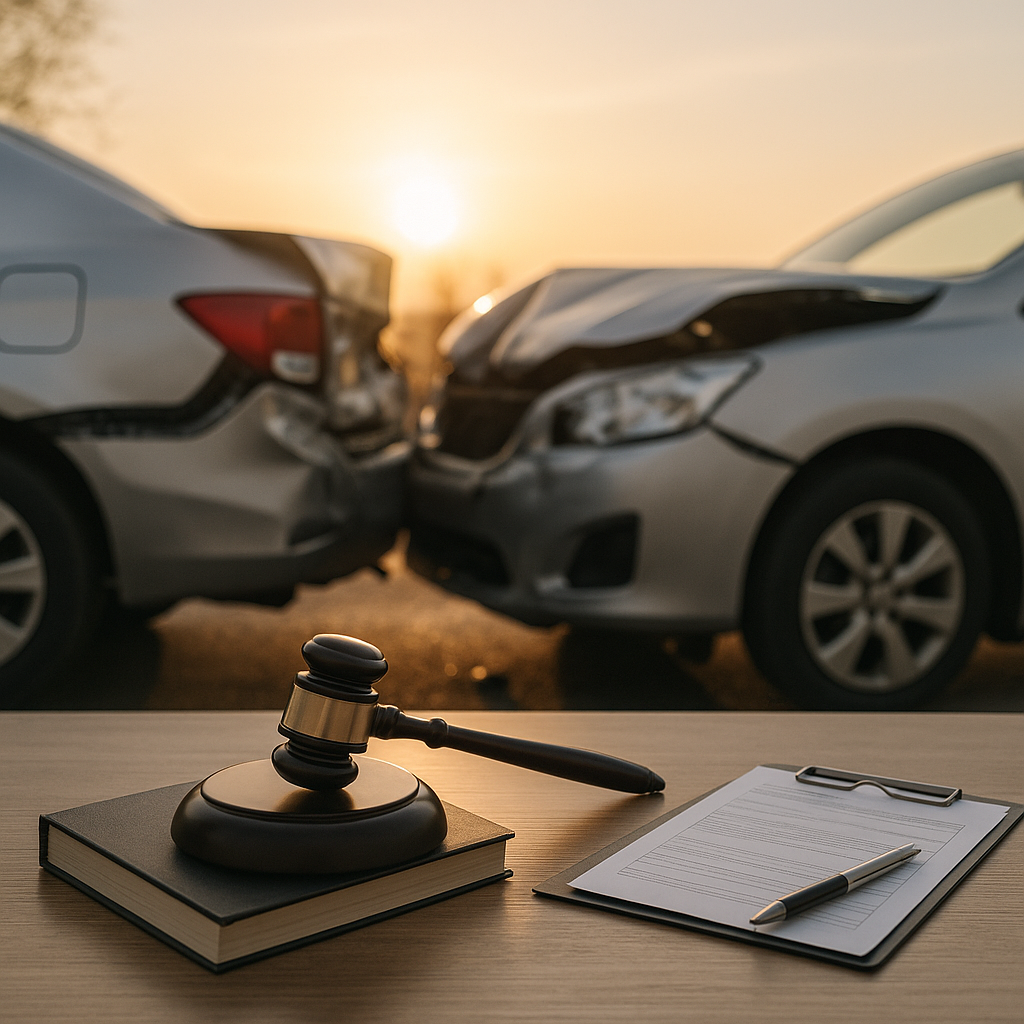
Preserving Vehicle Damage Evidence After a Sunrise Crash Getting into a car accident can be a traumatic experience, especially in vibrant South Florida where the roads are bustling with activity. After a crash in Sunrise, it’s crucial to preserve vehicle damage evidence not only for your insurance claim but also for potential legal proceedings. The evidence you gather can significantly impact the outcome of your case. This guide will walk you through practical steps to effectively collect and preserve this essential evidence. Why Preserving Evidence is Important In personal injury claims, the burden of proof lies with the injured party. By preserving vehicle damage evidence, you can: Establish liability. Strengthen your insurance claim. Support your case if litigation becomes necessary. Steps to Take Immediately After the Accident Your actions right after the accident can be crucial in preserving evidence. Here are some immediate steps to follow: Check for Injuries: Your safety and the safety of others should be your top priority. Call 911 if anyone is injured. Move to Safety: If possible, move your vehicle to a safe location to avoid further accidents. Document the…Read More