(Illustrative photo: I-95 interchange conditions—high speeds, short merges, and heavy local traffic.)
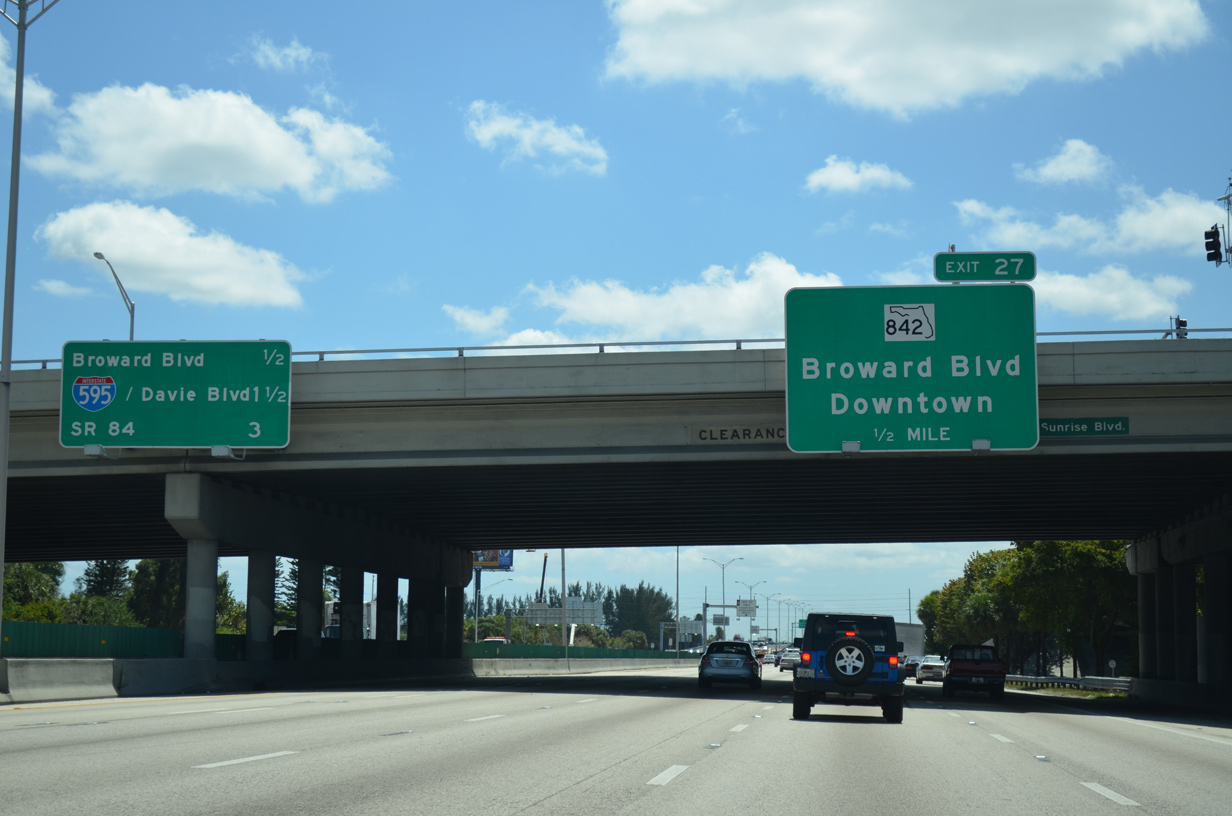
Drivers in Hallandale Beach know the feeling: you exit I-95, the ramp tightens, traffic stacks up, lanes shift, and suddenly you’re in a fast-moving mix of commuters, delivery vans, rideshares, and out-of-town drivers trying to make a last-second turn. The interchange at Hallandale Beach Boulevard (SR-858) and I-95 is one of those places where everyday traffic patterns can turn into serious collisions—rear-end crashes, sideswipes, and violent angle impacts—often within seconds.
This guide explains why the Hallandale Beach Blvd & I-95 ramps can be so dangerous, what types of accident cases commonly happen there, what evidence matters most, and how to protect your health and your claim after a crash. It also includes links to public crash-data resources you can use to better understand risk patterns in Broward County and across Florida.
Crashes rarely happen because of one single factor. At interchanges like SR-858/I-95, multiple risks stack together:
Ramps force drivers to merge quickly—often while local traffic is braking for traffic lights, turning lanes, or congestion. When drivers accelerate to “beat the merge” or cut across lanes to reach a turn, sideswipes and multi-car chain reactions become more likely.
Many interchange collisions happen when drivers exit at freeway speeds but meet surface-street stop-and-go. Rear-end crashes are common in these speed transitions—especially when traffic backs up past ramp curves.
Interchanges often place ramp traffic into a corridor with multiple signals, turn pockets, and lane splits. Confusion and sudden braking are a recipe for rear-end collisions and “failure to yield” impacts.
I-95 is one of Florida’s busiest corridors. In Broward County, it carries commuting flows, freight traffic, and tourism traffic—meaning a high volume of drivers who may be fatigued, distracted, or unfamiliar with the area.
Box trucks, work vans, and semis need more space to stop and merge. When a commercial driver misjudges space or speed, the results can be catastrophic—especially for smaller passenger cars and motorcycles.
South Florida rain can reduce visibility and increase stopping distances quickly. A normal “tight merge” becomes far more dangerous when the road is slick and visibility drops.
Transportation planning documents for the I-95 corridor in this segment (including the area between Hallandale Beach Blvd and Hollywood Blvd) reflect how heavily used and operationally complex this stretch can be, which is exactly why safety and traffic operations projects are commonly studied and implemented along it. :contentReference[oaicite:2]{index=2}
In our experience, the most common crash patterns near busy ramps and interchanges include:
While the ramp itself is a vehicle environment, the areas immediately around Hallandale Beach Blvd include pedestrians, bus stops, and crosswalks—especially as drivers transition from highway to local roads.
Even a “low-speed” interchange crash can cause serious injury, including:
If you’re unsure whether your pain is “serious enough,” get checked. In Florida car accidents, timely medical evaluation can also matter for insurance coverage (including PIP rules).
Many people feel like certain intersections are dangerous, but they want proof. The good news: Florida and Broward County offer public-facing crash data tools and guidance, including:
Practical tip: If you are building a safety-focused article for Hallandale Beach (or supporting a claim), you can use these tools to discuss trends (e.g., intersection crash density, injury severity patterns, and peak times) without relying on speculation. :contentReference[oaicite:8]{index=8}
Liability depends on what happened, who did what, and what the evidence shows. At ramp/interchange crashes, we often investigate:
If a work van, delivery vehicle, rideshare, or truck is involved, there may be additional responsible parties:
Not every crash is “the road’s fault,” but roadway design, signage, lighting, or construction zone control can be contributing factors. The I-95 corridor is frequently the subject of planning and engineering work, which is why documentation may exist about operational changes, safety improvements, or construction-related impacts. :contentReference[oaicite:9]{index=9}
Interchange crashes can turn into a “he said / she said” unless you preserve evidence early. Here’s what makes a big difference:
Independent witnesses are powerful—especially in lane-change and merge collisions.
Florida crash reports are maintained through FLHSMV, which serves as the state repository for crash records. :contentReference[oaicite:10]{index=10}
Depending on the situation, electronic data (vehicle event data recorders, cell usage timing, dash cams) can clarify what happened right before impact.
In Florida, timely medical care can affect PIP benefits, including the requirement to receive initial services and care within 14 days under Florida’s PIP statute.
Florida law sets time limits for filing negligence actions. For many negligence claims, the statute lists a two-year period. Deadlines can be fact-specific, so it’s wise to get legal advice early rather than relying on assumptions. :contentReference[oaicite:12]{index=12}
Florida’s PIP statute includes language requiring initial medical services and care within 14 days of the motor vehicle accident to qualify for certain benefits. :contentReference[oaicite:13]{index=13}
Bottom line: If you were hurt near the Hallandale Beach Blvd ramps, don’t wait—get medical care and document your symptoms, even if they feel “minor” at first.
Traffic backs up at the ramp terminal. A driver glances at GPS or a phone, doesn’t notice stopped cars, and triggers a multi-vehicle pileup. Injuries: whiplash, back injuries, concussions, sometimes broken bones in high-speed impacts.
A driver exits I-95 and immediately crosses lanes to reach a turn pocket on Hallandale Beach Blvd. Another driver is in the blind spot. Impact forces a spin or secondary collision.
A delivery truck merges with insufficient space and clips a passenger vehicle, pushing it into another lane or barrier. These cases often involve larger insurance policies and more complex investigations.
Some drivers carry minimal insurance. If your injuries are serious, coverage questions become central—UM/UIM coverage, health insurance coordination, and liability recovery strategy.
Every case depends on facts and coverage, but compensation can include:
Local cases move faster when your legal team understands:
Fenstersheib Law Group’s main office is located right on Hallandale Beach Boulevard, serving Hallandale families with personal injury representation. :contentReference[oaicite:14]{index=14}
Many drivers report heightened risk at major interchanges, and public crash data tools exist for Broward County and Florida that can help identify higher-crash corridors and intersections. :contentReference[oaicite:16]{index=16}
Florida crash report access and crash-record information is provided through the Florida Department of Highway Safety and Motor Vehicles (FLHSMV). :contentReference[oaicite:17]{index=17}
Deadlines depend on the claim type and the date the cause of action accrued. Florida’s statute outlines time limits for negligence actions; it’s best to speak with counsel early so you don’t miss a deadline. :contentReference[oaicite:18]{index=18}
Yes. Apart from protecting your health, Florida’s PIP statute includes a 14-day requirement for initial services and care. :contentReference[oaicite:19]{index=19}
If you were injured near the Hallandale Beach Blvd & I-95 ramps, you don’t have to navigate insurance, medical bills, and lost income alone. Fenstersheib Law Group helps injured Floridians understand their rights and pursue fair compensation.
Fenstersheib Law Group, P.A.
Main Office: 520 W Hallandale Beach Blvd, Hallandale Beach, FL
Call: 833-TellFLG (833-835-5354) • Available 24/7
Source for office/location details: Fenstersheib Law Group’s Hallandale Beach office page. :contentReference[oaicite:20]{index=20}
Disclaimer: This article is for informational purposes only and does not create an attorney-client relationship. Every case is different. For advice about your specific situation, contact a qualified attorney.
Also posted on Google Business Profile: View on Google

The Lawyers at Fenstersheib Law Group, P.A. provide
personalized legal representation for personal injury cases.
FREE CONSULTATION 833-TellFLG (833-835-5354)