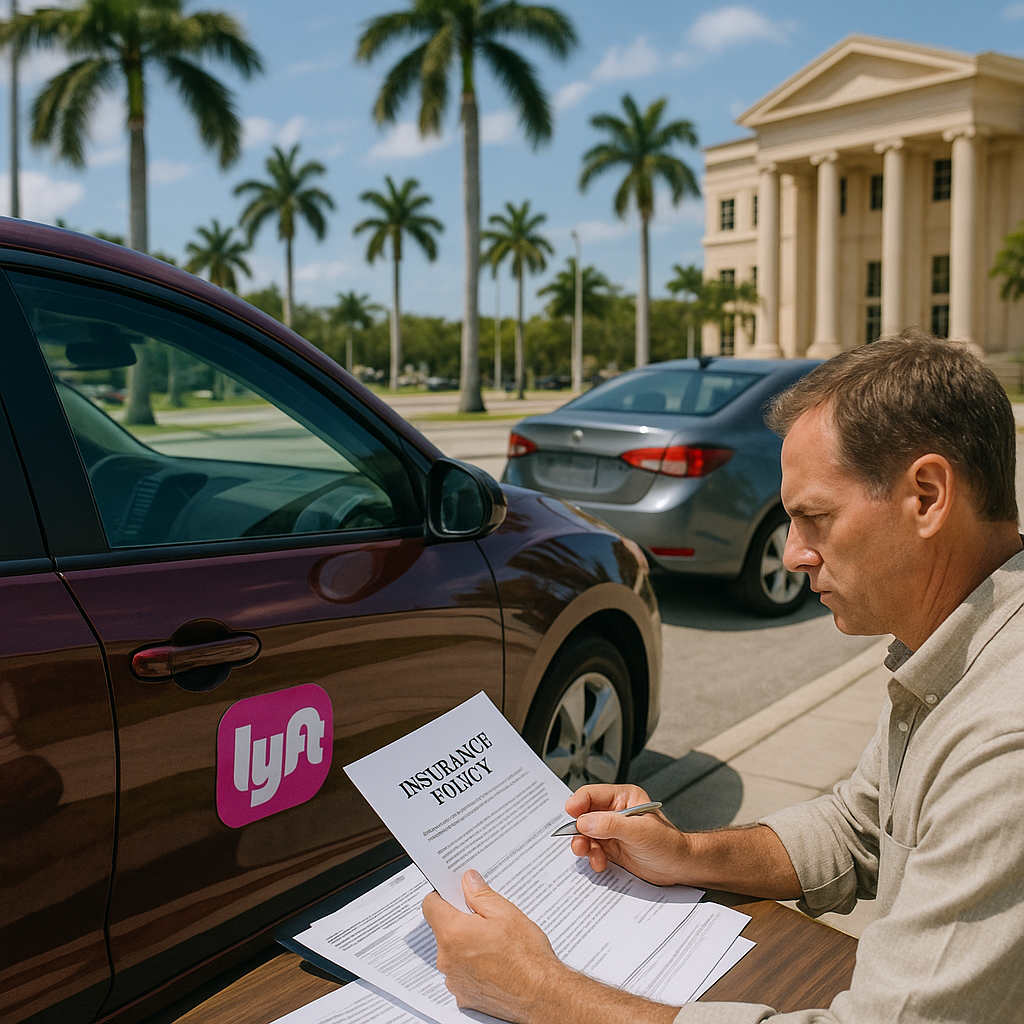
Experiencing a personal injury can be overwhelming and stressful. Whether you’ve been involved in a car accident, suffered from a slip and fall, or faced any other type of injury due to someone else’s negligence, understanding the claims process is crucial. At Fenstersheib Law Group, we’re here to guide you through every step. In this post, we’ll break down the essentials of navigating a personal injury claim in Florida.
A personal injury claim is a legal dispute that arises when one person suffers harm from an accident or injury, and someone else might be legally responsible for that harm. The goal is to recover compensation for your losses, which can include:
Your actions immediately following an injury can significantly impact your claim. Here’s what you should do:
Florida operates under a no-fault insurance system for car accidents. This means that your own insurance typically covers your medical expenses and lost wages, regardless of who caused the accident. However, you can pursue a personal injury claim against the at-fault party if your injuries meet certain criteria, such as:
To win your personal injury claim, you must establish that the other party was negligent. This involves demonstrating four key elements:
Compensation in personal injury claims can vary widely based on the specifics of the case. Factors that influence the amount include:
There are common pitfalls that can jeopardize your personal injury claim. Remember to:
Handling a personal injury claim can be daunting. The complexities of the legal system, combined with the emotional and physical toll of an injury, can make it difficult to navigate alone. At Fenstersheib Law Group, we specialize in personal injury cases and are committed to fighting for your rights.
If you or a loved one has been injured, don’t hesitate to reach out. Contact us today at 833-TellFLG (833-835-5354) or visit our website at www.tellflg.com for a free consultation. Let us help you get the compensation you deserve!
Also posted on Google Business Profile: View on Google
Also posted on Google Business Profile: View on Google

The Lawyers at Fenstersheib Law Group, P.A. provide
personalized legal representation for personal injury cases.
FREE CONSULTATION 833-TellFLG (833-835-5354)